Maria Ceballos-Wallace sits down with Carola Lehmacher to discuss the development of a new code of ethics specifically designed for interpreters in educational settings. Tune in as they explore the unique challenges educational interpreters face, how this new code of ethics serves as a tool to clarify expectations for service users and the potential for similar updates in the codes of ethics from other fields, such as legal interpreting.
You May Also Like
Mock Exam Prep Oral Component by Carola Lehmacher for Federal Interpreter Test Training
Tips to study with the Federal Interpreter Test Simulator to prepare for the oral portion of the Spanish Federal Interpreter test.
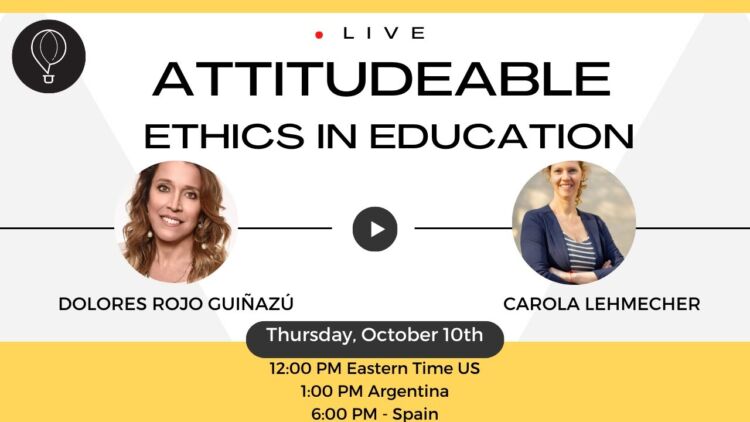
The role of ethics in Education for Language Professionals
Istam voluptatem perpetuam quis potest praestare sapienti? Huic mori optimum esse propter desperationem sapientiae, illi propter spem vivere. Qui non moveatur et offensione turpitudinis et comprobatione honestatis?
At, illa, ut vobis placet, partem quandam tuetur, reliquam deserit. Hoc non est positum in nostra actione. Etenim si